Exits on arrival
Two ways out of every room, train carriage and bar. Takes a second; becomes automatic in weeks.
Guide · Physical · Places and surroundings · 1 sources
Situational awareness is not scanning every face for danger. That is exhausting, and the research on reading strangers says it barely works. It is something quieter: a sense of what is normal in a place, so that what does not fit stands out early, while there is still time to do something small.
Done well, it makes you freer, not more anxious. You notice less of the noise and more of what matters.
Two ways out of every room, train carriage and bar. Takes a second; becomes automatic in weeks.
Doorways, stairwells, car parks, crossings, the moment you reach your front door. Put the phone away there: in the US, emergency rooms treated more than an estimated 1,500 pedestrians for phone-related injuries in 2010, more than double the 2005 figure [1].
Headphones in quiet places at night take away the sense that warns you earliest.
Facing the room and near an exit, without making a show of it.
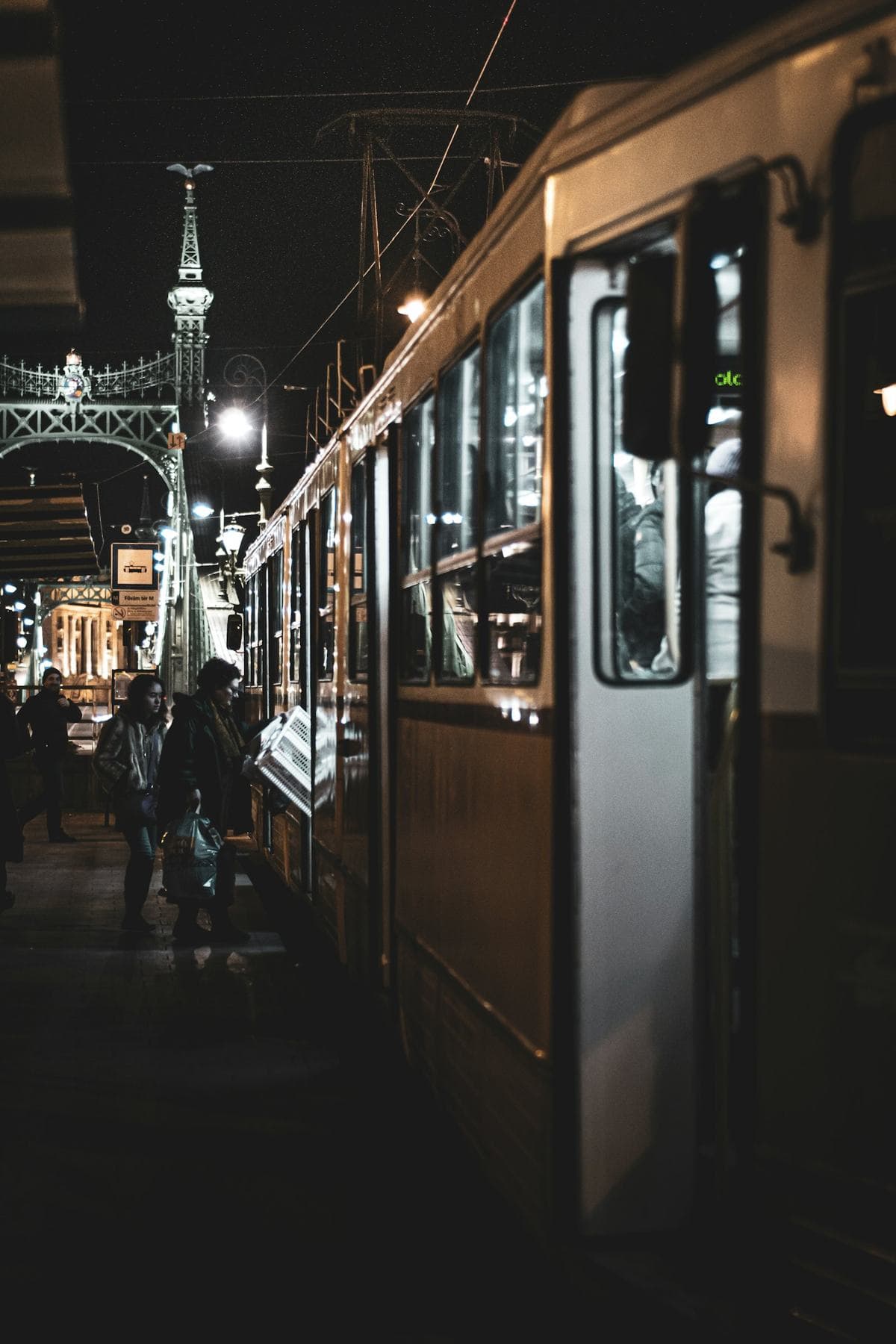
If something feels wrong, act on it in a small way: cross the street, wait for the next tram, go back inside. You do not need a reason.
On a regular route, decide once where you would go if something happened. Under stress, people do what they decided earlier.
It is not profiling. Appearance tells you very little; behaviour in context tells you more. Treating people as threats because of how they look is both wrong and ineffective.
It is not constant vigilance. Most of life is safe. Save attention for transitions and for the moments something changes; the rest of the time, look at the lake.
Read and checked on 21 October 2026. Quotes are from the sources as published.