SkifEmergency
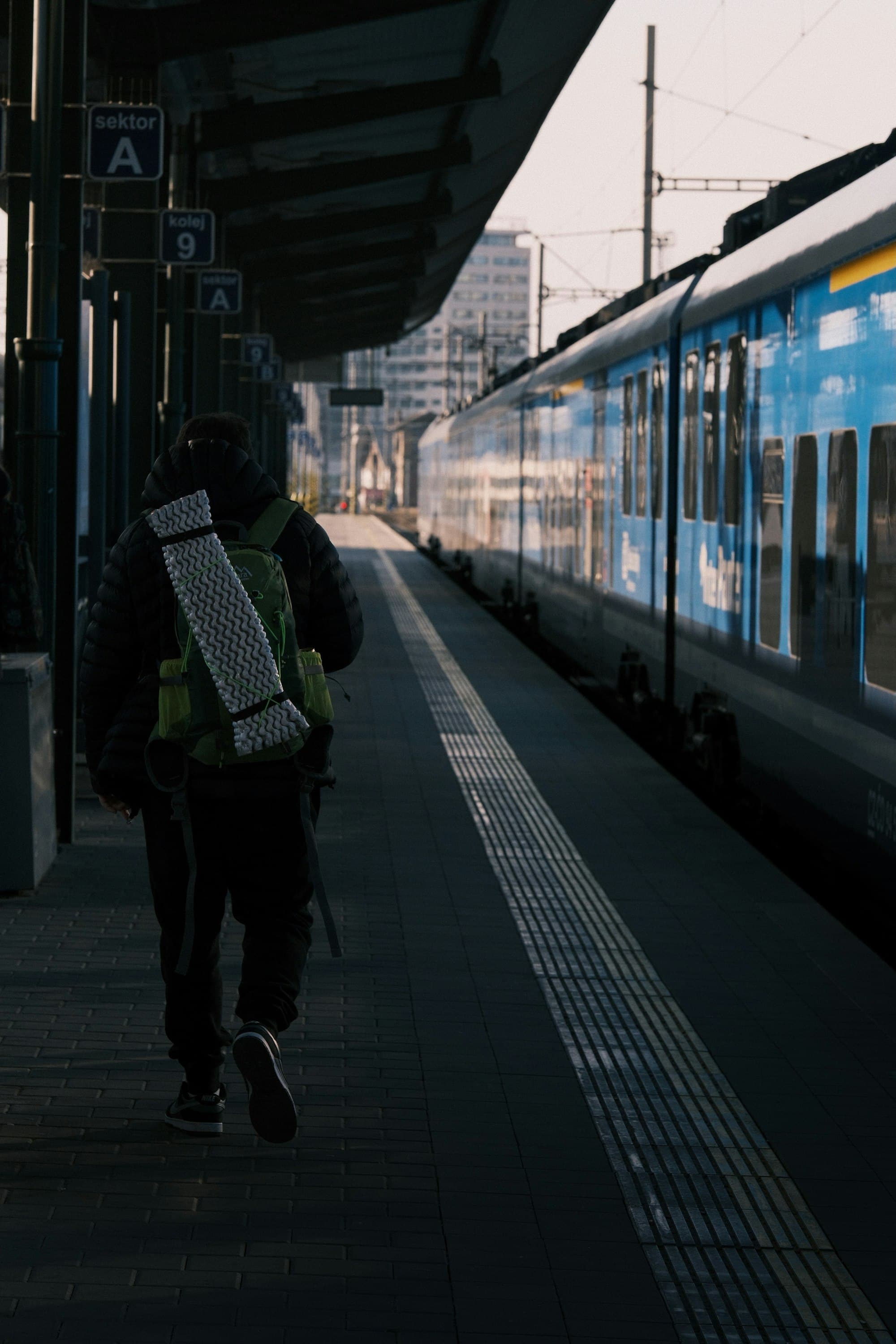
A person with a backpack walking away down a covered train platform beside a waiting train.

Guide · Places and surroundings · Health and emergencies · Money and assets · 2 sources

Go further. Prepare once.

Travel is one of the freest things a person can do, and the risks of it are mostly boring ones: an upset stomach, a lost passport, a scam, a road. The dramatic risks are real in a few places and well documented, so you can know about them before you book.

The preparation takes an evening. After that the trip is yours.

In this guide

Before you leave

Register the trip in Travel Admin
The Swiss foreign ministry's travel app. The ministry recommends downloading it before you leave, registering, and entering your trips abroad [1], so that if a crisis hits where you are, they know you are there.
Read the travel advice
The foreign ministry publishes advice for every country. Read the current version for yours, not last year's.
Health and vaccinations
A travel clinic or your doctor, a few weeks ahead for anywhere with different diseases.
Insurance that covers the trip
Check medical cover abroad and repatriation, and whether the sports you plan are included.
Copies of documents
Passport and cards photographed and kept offline, and a paper copy apart from the originals.
Someone at home
Leave your plans with one person, and agree when you will check in.

Food and water

Where tap water may be contaminated, the CDC's advice [2].

Don't drink the tap

Where tap water might be contaminated, drink sealed bottled drinks, and skip the ice [2].
Make water safe

Tap water can be made safe by boiling, filtering or chemically treating it [2].

Peel it or wash it

Fruit and vegetables are safer when you peel them yourself or wash them in bottled or disinfected water [2].

Hot and freshly cooked

Food served hot and cooked in front of you is usually a safer choice than a buffet that has been standing.

Money and documents on the road

Split it
Two cards in two places, and a little cash in a third. A lost wallet should be an inconvenience, not the end of the trip.
The day bag carries the day
Passport in the hotel safe unless you need it; a copy with you.
Scams follow scripts
Taxis without meters, 'closed' attractions with a friend nearby, a spill on your jacket. The scams guide explains the levers they all share.
ATMs inside banks
In daylight, and cover the keypad.

When it goes wrong

Save the local emergency number before you land; it is not always 112. For anything a Swiss citizen cannot solve alone abroad — a lost passport, an arrest, a hospital — the nearest Swiss embassy or consulate and the foreign ministry's helpline are the people to call.

In a crisis where you are, the rule is the same as at home: move away from it first, then tell someone where you are. Travel Admin is how the ministry finds you [1].

Sources

Read and checked on 21 October 2026. Quotes are from the sources as published.

  1. [1]Sorgenfreies Reisen aus der Hosentasche — Eidgenössisches Departement für auswärtige Angelegenheiten EDA, 2021
  2. [2]Food and Water Safety — U.S. Centers for Disease Control and Prevention, Travelers' Health, 2026